
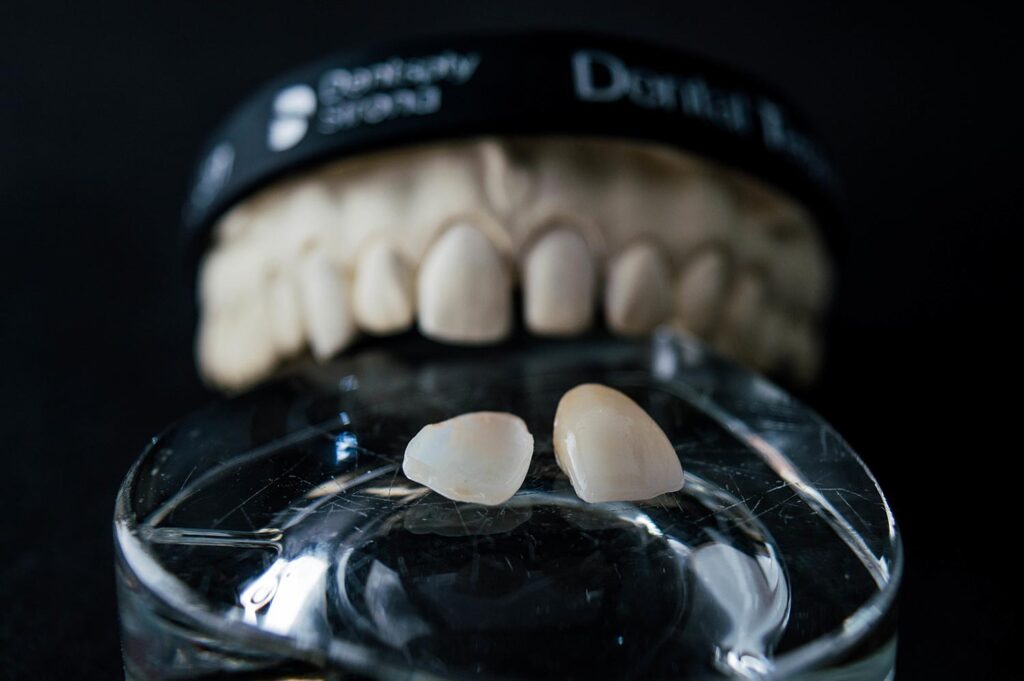
Crowns used in dental treatment are coatings placed on the teeth to protect, repair and provide an aesthetic appearance. Monolithic Crown is one of these Crown types and, as its name suggests, is produced in a single piece, that is, “monolithic” structure. These Crowns are made of solid and aesthetic materials.


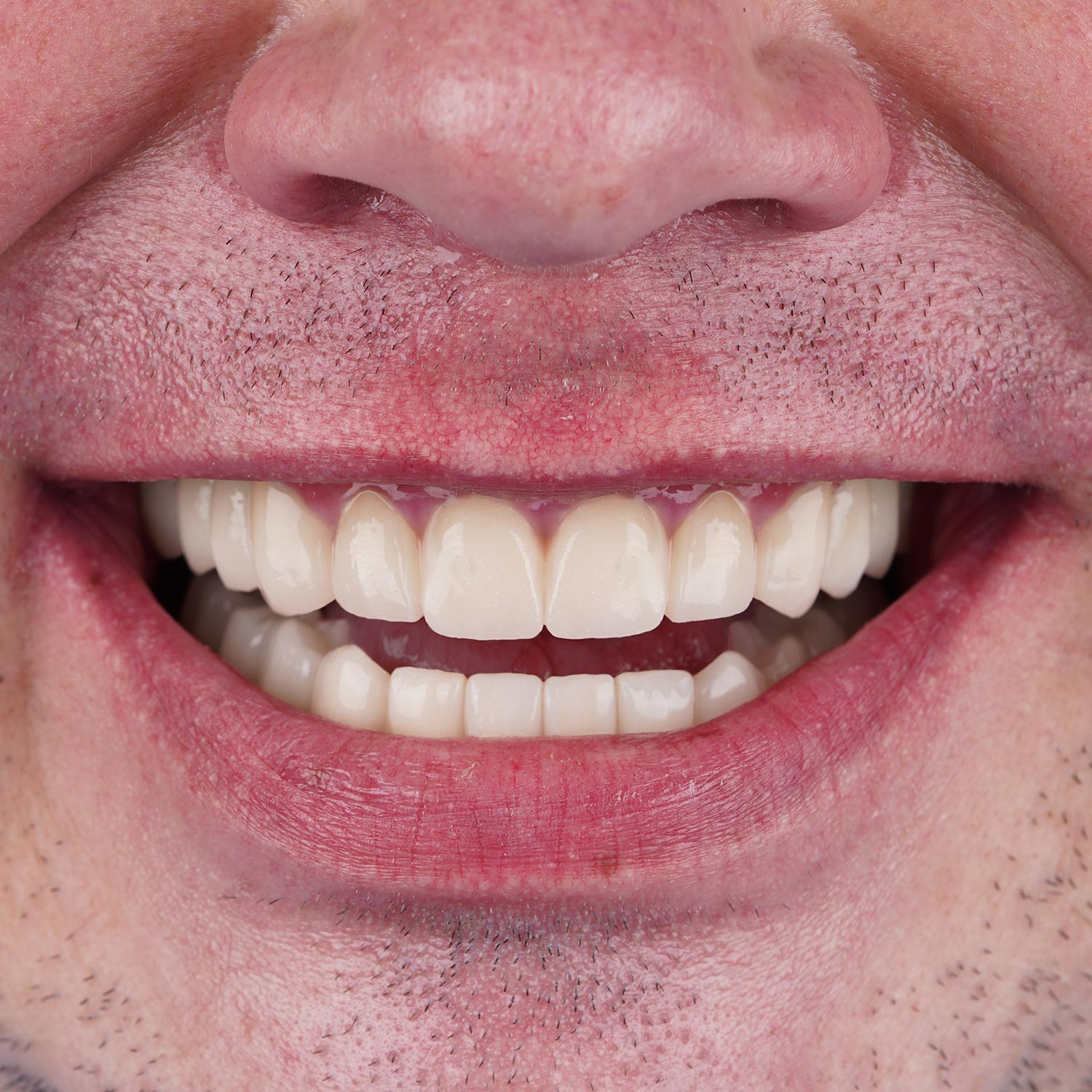
Durability: Monolithic Crowns are extremely durable as they are made of a single piece. They are highly resistant to abrasion and cracking. They are a long-lasting solution against chewing pressure, especially on the back teeth.
Aesthetic Appearance: Monolithic Crowns offer an aesthetic that is very similar to natural teeth. The material, which matches the color of the natural tooth, makes it especially preferred on the front teeth.
Biocompatibility: Since Monolithic Crowns are made of biocompatible materials, they are well tolerated by the body and the risk of allergic reactions is very low. This feature ensures that Crowns are safe in terms of gum health.
Minimal Abrasion: During tooth preparation, the amount of tooth abrasion required for Monolithic Crowns is generally less. This allows for greater protection of the tooth tissue.
Longevity: Thanks to their high durability, Monolithic Crowns can be used for years without any problems with proper care and regular dental check-ups.
Although Monolithic Crowns are durable and long-lasting, they can be used for a longer time if they are well maintained. Paying attention to daily oral hygiene, regular tooth brushing, flossing and check-ups recommended by your dentist ensure that the Crowns remain healthy.
A crown takes over the outer surface of the tooth, so the tooth is reduced. The aim is to stop short of the living core. After the impression comes a temporary crown. Not decoration. It is there to keep the tooth covered.
The temporary comes off and the permanent one takes its place. Then the bite, the way the teeth close together. What the dentist checks are the contact points. One more adjustment if needed, then the final cementing.
For information only. Nothing here replaces an examination by a dentist.